Forestry Mulching
Forestry mulching grinds brush and small trees into a mulch layer right where they stand. One machine, one pass, and no burn piles left behind.
View Details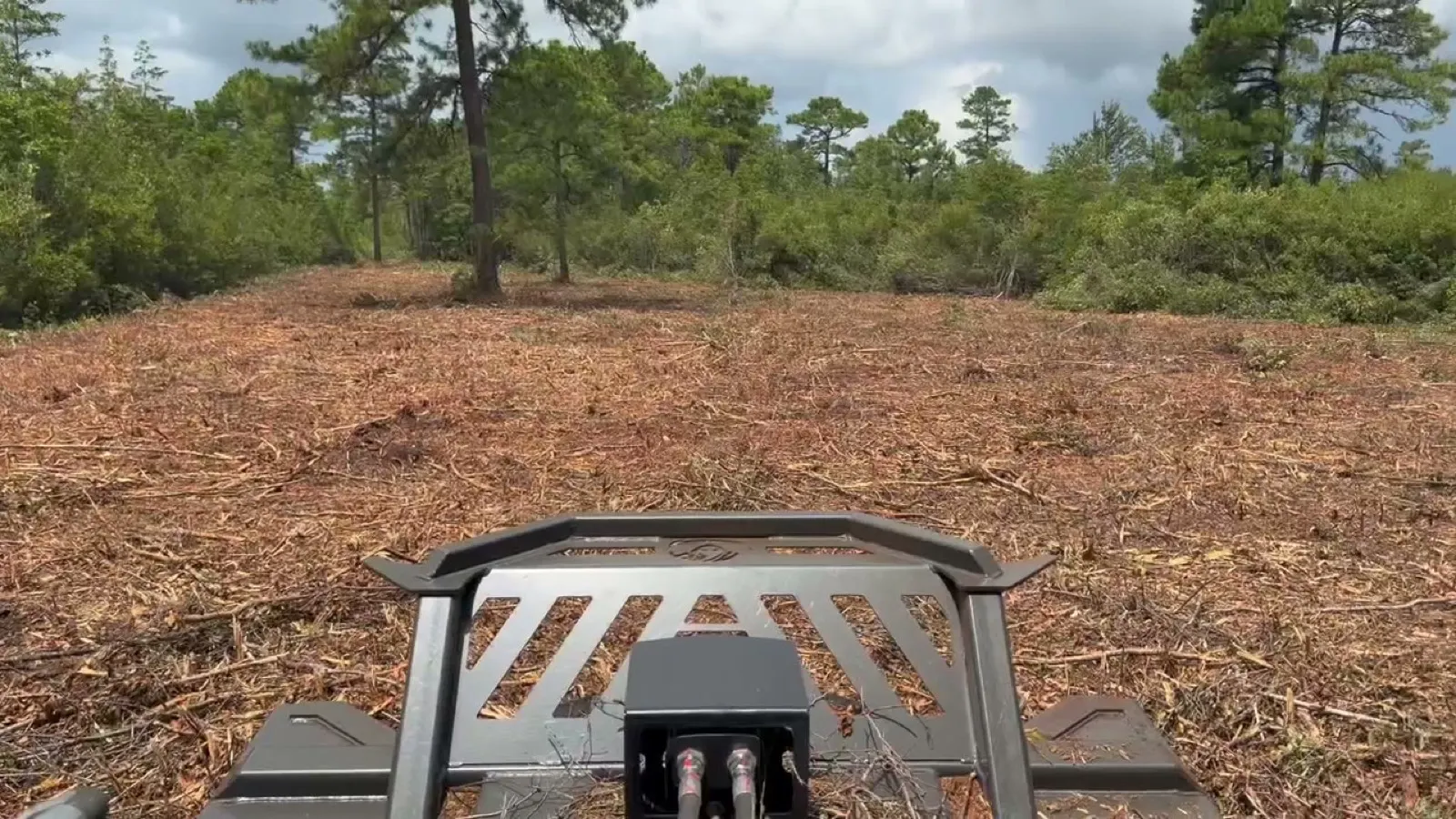
Bush hogging is heavy mowing for ground that got away from you, and it fills most of our summer. We are based in Longs, SC and work about fifty miles out in every direction. That takes in Little River, North Myrtle Beach, Conway and Loris, out to Tabor City and Shallotte. Grass, weeds, briars and volunteer saplings get cut down to stubble in one pass across the field. Some folks around here call it brush hogging, and it's the same job by a different name.
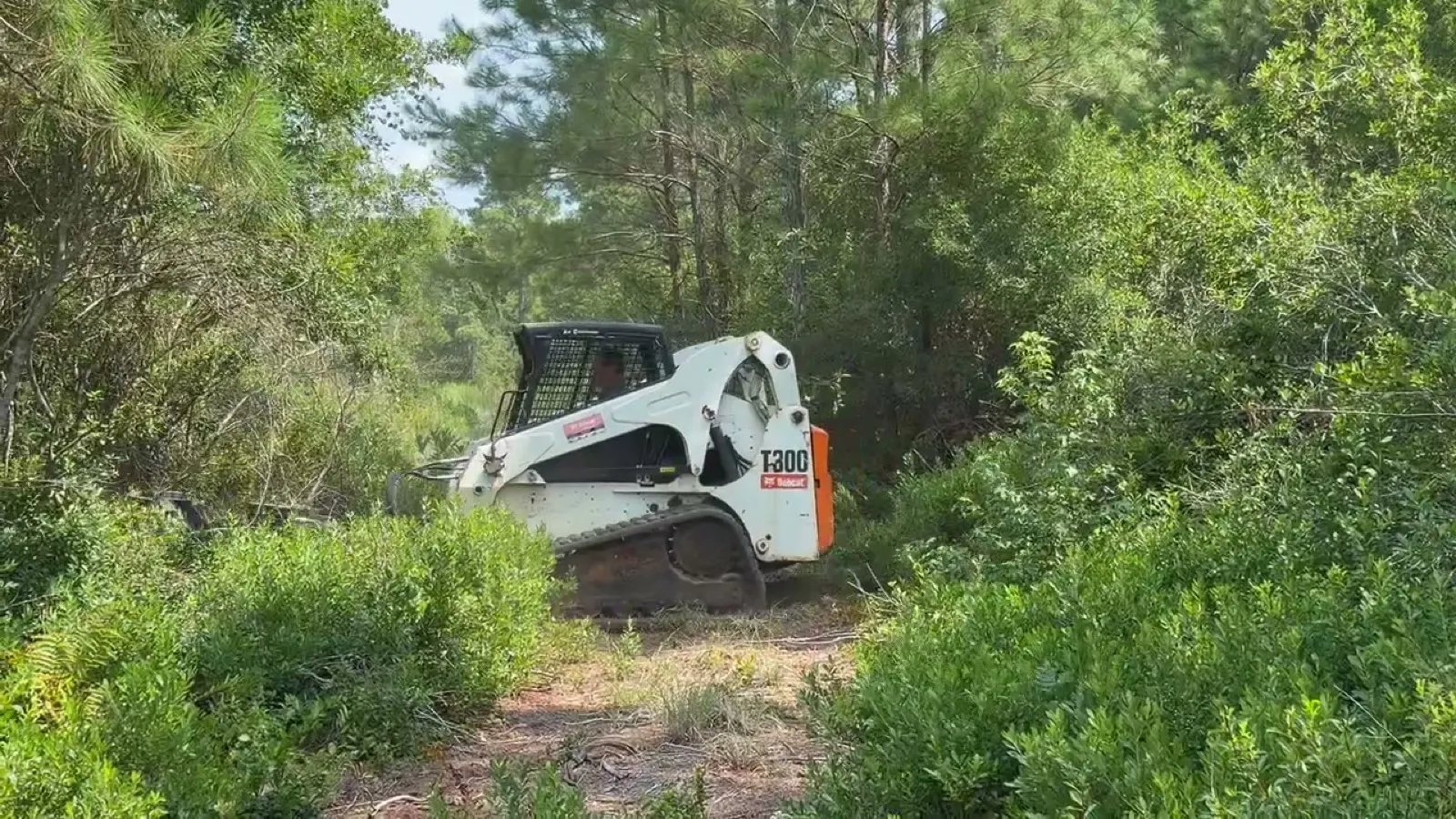
Our bush hogging runs on a Bobcat T300 track loader with a forestry mulcher head on the front. A farm tractor and rotary cutter do fine on grass, until the stems turn woody and thick. Then the cutter starts bouncing and skipping, and you are left with a ragged, half-cut field. The mulcher head grinds woody stems instead of slapping at them, so the cut comes out even. The tracks float over soft sand, and the work is owner-operated from the quote to the last pass.
Tell us about your land — we’ll get right back to you.
Every bush hogging job starts with a look at the field before we talk price. We look at how thick the growth is and how wet the low spots run. Access matters too, since the machine has to get in through a gate or a lane. After that you get a free estimate, and the number covers the field as it stands. We don't put a price on it over the phone, because acreage and growth change the work too much.
On cutting day the mulcher head takes the field down in overlapping passes. Tall grass and briars go first, then we come back over the woody stems that are left. Everything gets cut in place and drops back onto the ground as mulch. That layer breaks down over the season and feeds the soil instead of sitting in a burn pile. How long it takes depends on the acreage and how thick the growth turned out to be.
Horry County sits on the coastal plain, which means flat sandy soil and a high water table. Summers run hot and wet here, and the growth does not slow down until late fall. Skip one season on a field and the briars and wax myrtle start moving in. Skip two and you have pine and sweetgum saplings standing higher than your head. Gallberry and yaupon fill in underneath, and the field stops looking like a field.
Regular bush hogging keeps that clock from ever starting on a piece of ground. Field mowing once or twice a season keeps a place open and easy to cross. Pasture mowing does the same on grazing ground, since animals leave the weeds they don't like. Let a place run long enough and mowing alone will not bring that ground back to shape. At that point the work turns into Pasture Reclamation, which is heavier than mowing.
Bush hogging fits when the growth is still soft enough to cut and drop in place. That covers grass, weeds, briars and the saplings that come up in an overgrown field. It fits a place you want usable again by next month instead of next year. It also fits ground you plan to keep cutting on a set schedule every year. Hunting tracts and old hay fields get this treatment more than anything else around here.
When the woody stuff is past sapling size, mowing it down is not the answer. Forestry Mulching is the heavier version of the same idea, and it goes after standing growth. The same machine and head do both jobs, so the difference is time on the ground. If you are not sure which one your field needs, call us and we will come look. Estimates are free, and the number to reach us is (843) 385-1090.
Free, no-obligation estimates across the Grand Strand, both sides of the SC/NC line.
(843) 385-1090From the first call to the last pass of the mulcher, here is exactly how it goes.
Tell us where the property is and what you want the ground to do. You reach the operator, not a call center.
We come out, look at the growth and the ground, and talk through what the job takes. The estimate is free and it is a real number.
The Bobcat T300 grinds brush and small trees into chips where they stand. No burn piles, nothing hauled off your land.
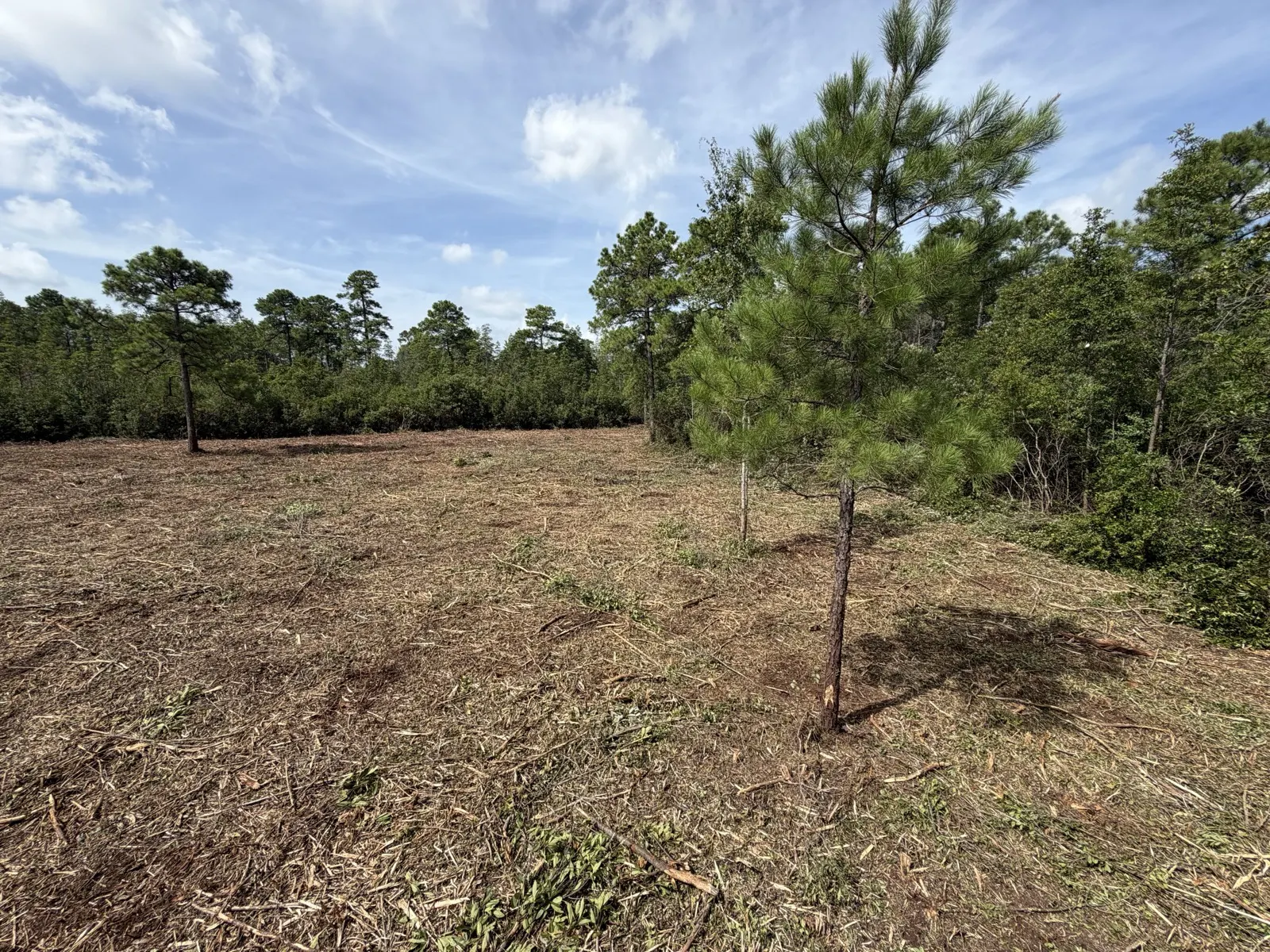
Clean, walkable ground with a mulch layer over it. Ready to mow, plan on, fence, or just look at without the overgrowth.
Common questions about bush hogging across the Grand Strand, both sides of the SC/NC line. Don't see yours? Give us a call — we're happy to help.
Forestry mulching grinds brush and small trees into a mulch layer right where they stand. One machine, one pass, and no burn piles left behind.
View Details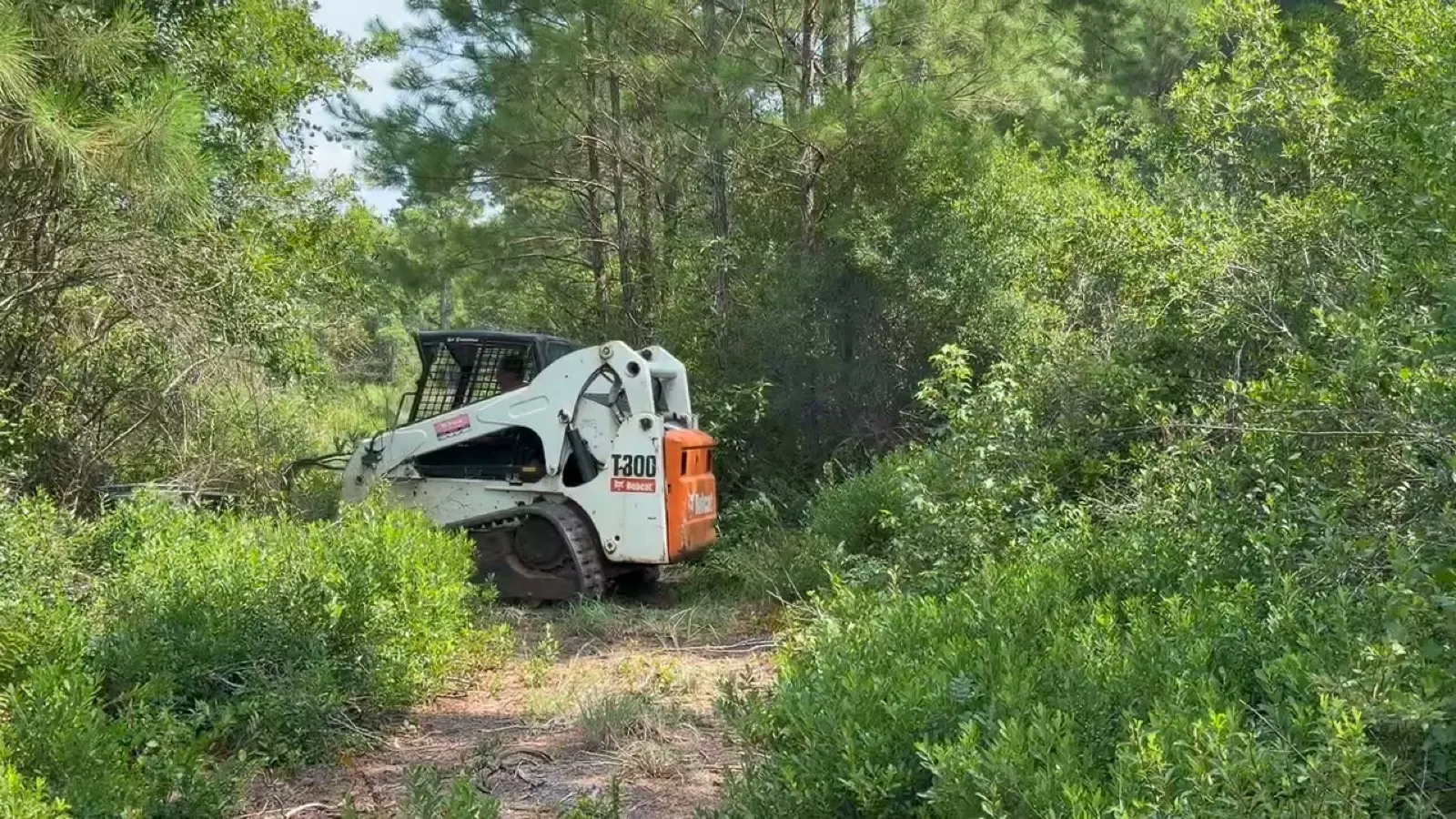
Thick undergrowth, briar and vines cleared off yard edges, wood lines and the understory under standing trees. Ground into mulch on site with a forestry mulcher.
View Details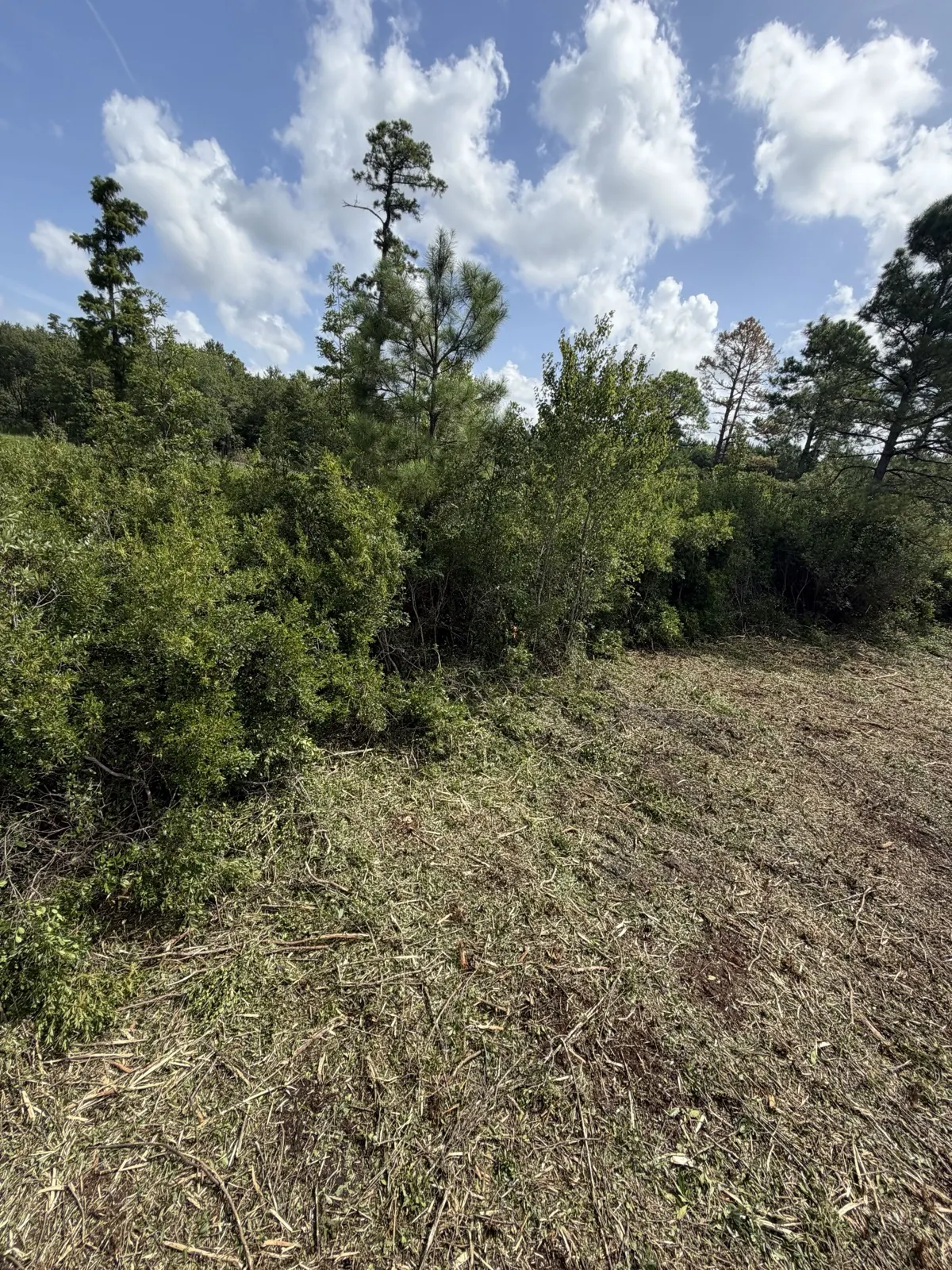
Lot clearing for single residential and small commercial lots. We mulch brush and small trees in place, so your lot stays clean and usable.
View Details Fields that went to briar and saplings, mulched back to open ground. We bring lost pasture back to where a mower can handle it again.
View Details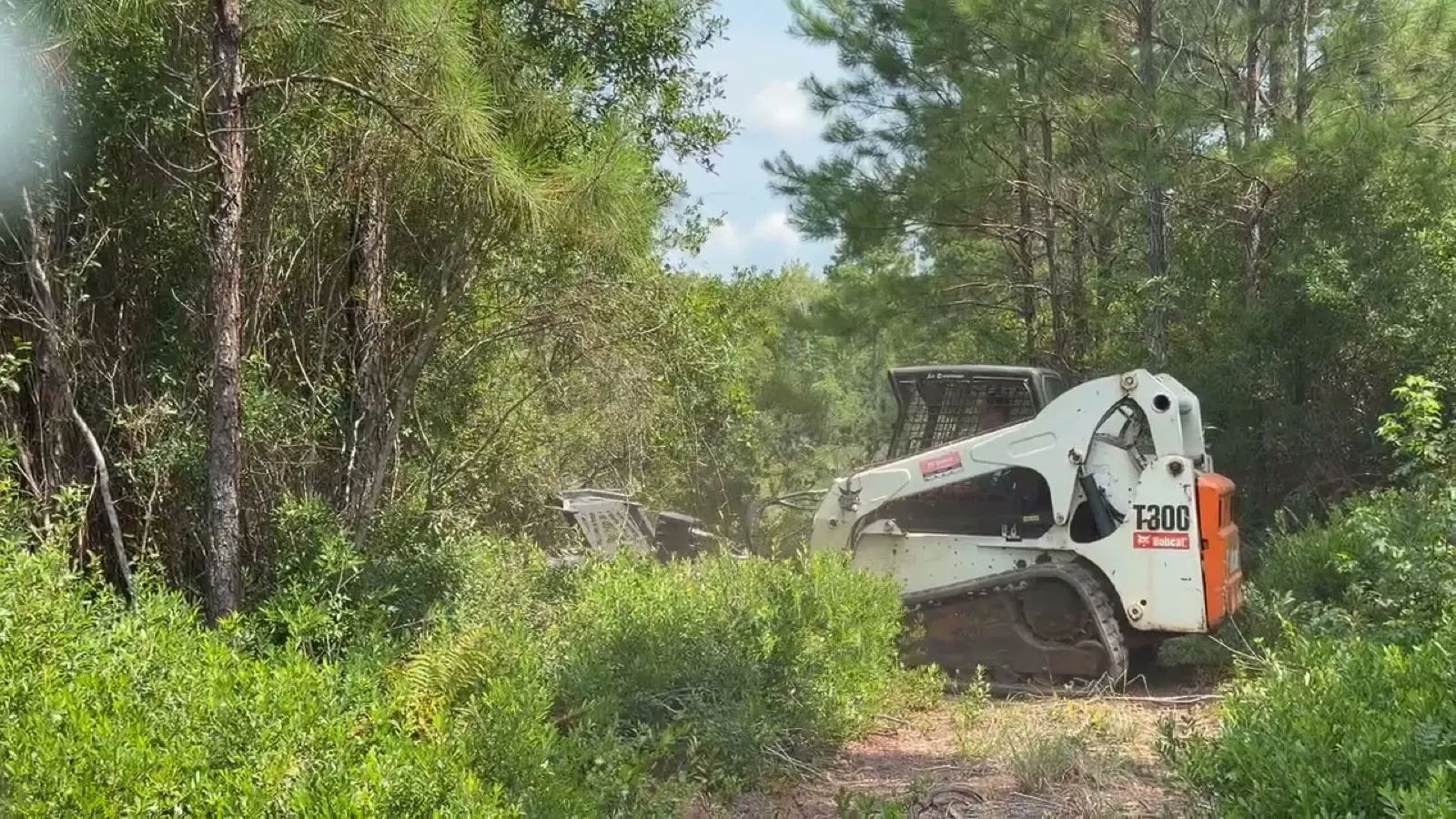
We mulch the growth off overgrown fence lines and private lanes. One tracked machine, owner-operated, out of Longs, SC and the farm country around it.
View DetailsA husband-and-wife business based in Longs. The person who prices your job is the person on the machine, and the phone reaches the operator every time.
The forestry mulcher grinds growth into chips where it stands. No burn piles to permit and watch, no dump trucks, and the ground cover stays on your land.
We look at the property before we price it. You get a real number for the job as it stands, before any work starts, and the estimate costs you nothing.
A tracked machine on flat, sandy coastal plain with a high water table. It rides where wheels sink, and we work both sides of the SC/NC line.
An overgrown lot, a field that got away from you, a fence line you can't see anymore? Call or send the form. We come look at the property, talk through what you want the ground to do, and price the job before any work starts. Estimates are free.
Tell us about your land — we’ll get right back to you.